Will Duct Cleaning Reduce the Dust in My House?
It’s one of the first questions we get on the phone: does duct cleaning reduce dust? The honest answer is sometimes. In some homes it makes a clear difference. In others the dust is coming from somewhere else, and cleaning the ducts won’t change much.
We’d rather tell you that up front than sell you a service that doesn’t solve your problem. Here’s how to tell which kind of home you have.
The short answer: does duct cleaning reduce dust?
Duct cleaning reduces dust when the ducts themselves are the source, meaning heavy buildup or debris that’s actually blowing out of your vents. It usually won’t fix dust that comes from everyday living, a filter that doesn’t fit, or leaky ducts pulling in attic air.
That matches what the EPA says. Its consumer guide, Should You Have the Air Ducts in Your Home Cleaned?, doesn’t recommend routine duct cleaning for every home. It notes there’s no evidence a light amount of household dust in ducts poses a health risk, and that dust stuck to duct walls mostly stays put. The EPA does say you should consider cleaning in specific situations, which we cover below.
Where house dust actually comes from
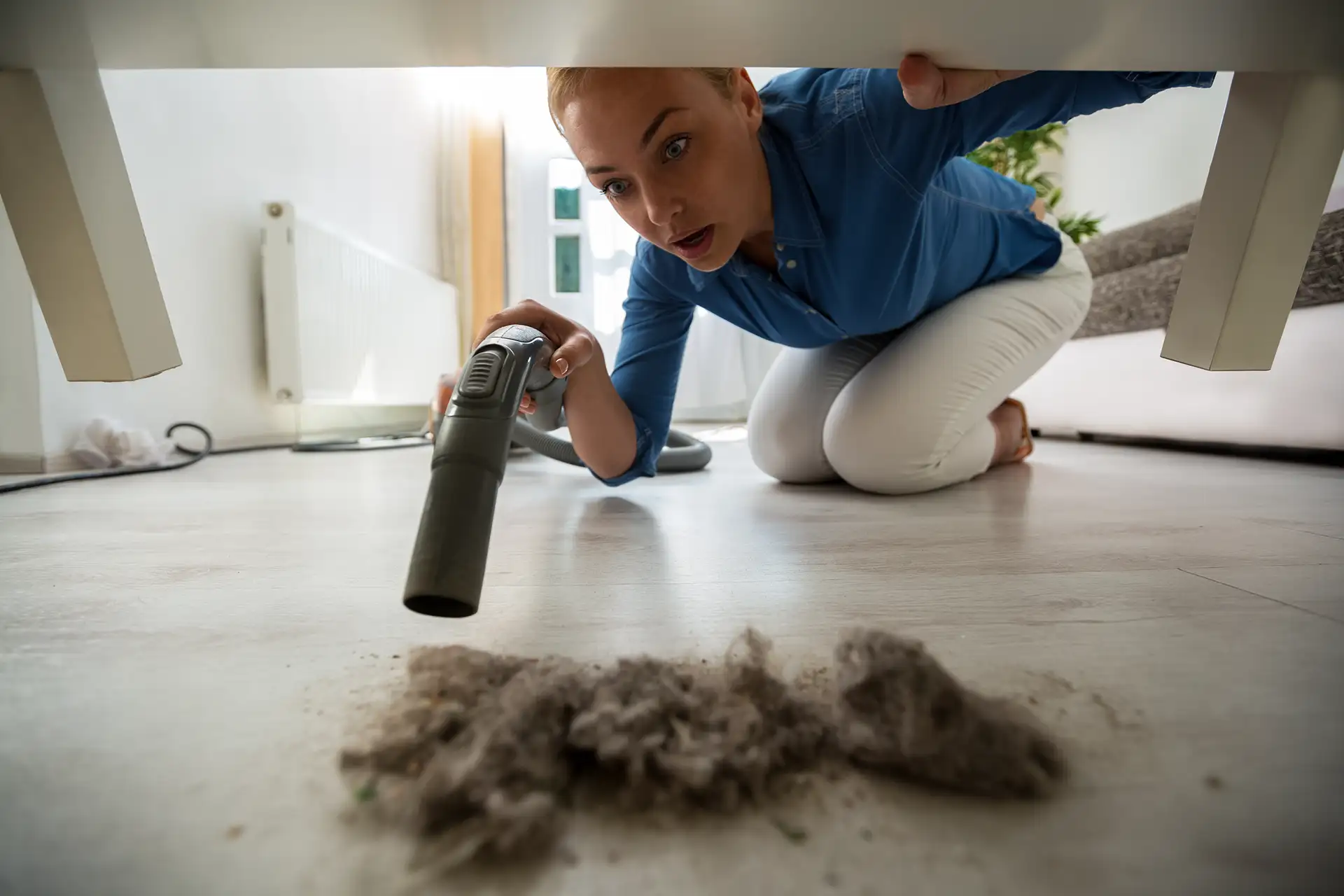
Most household dust starts inside the house. Ducts mostly carry it from room to room. Common sources include:
- People and pets. Skin flakes, hair, and dander are a big share of indoor dust.
- Fabrics. Carpet, upholstery, bedding, and clothes shed fibers every day.
- The outdoors. Pollen, soil, and road dust come in on shoes, paws, and through open doors and windows.
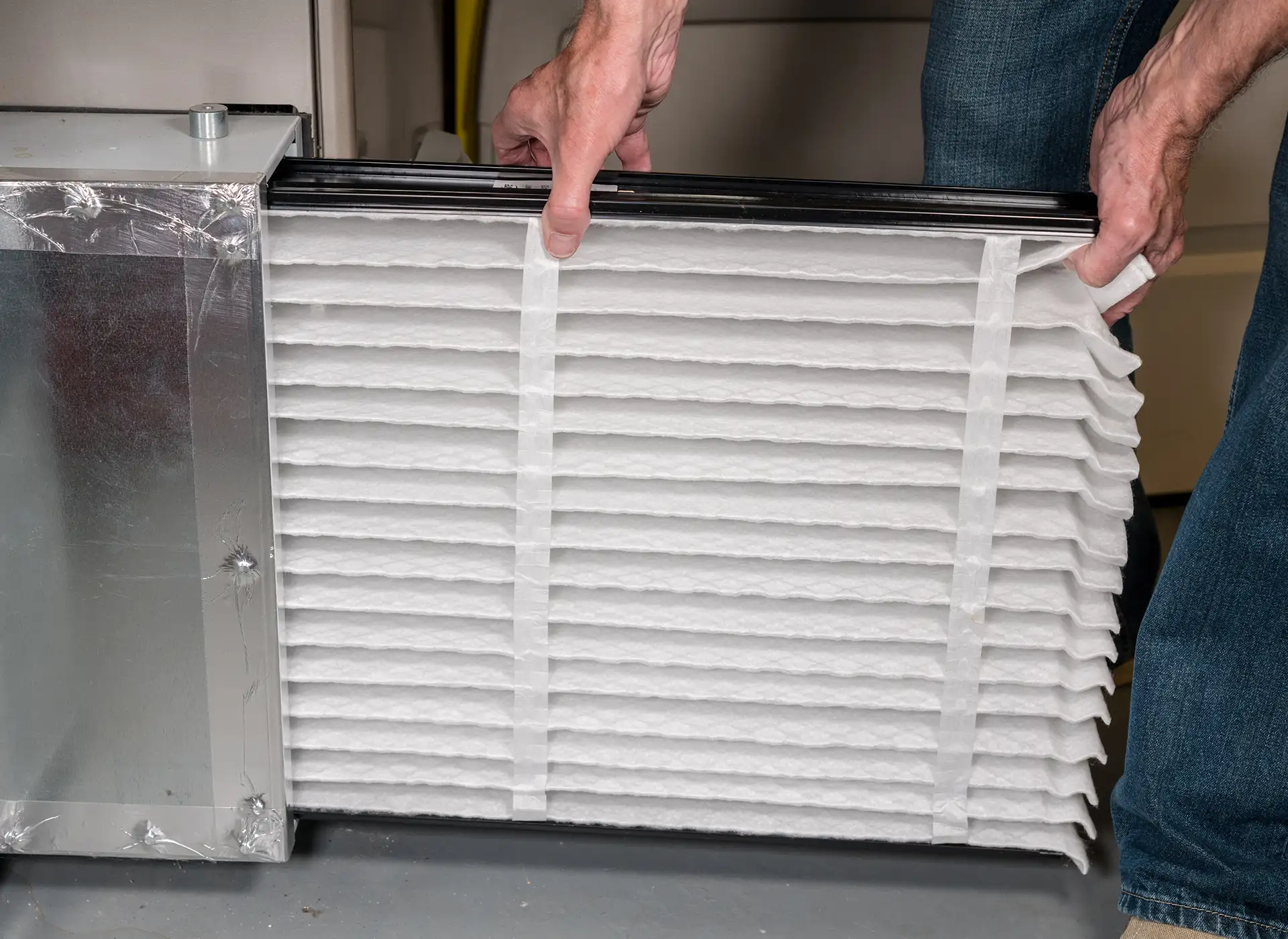
- A filter that’s bypassed or overloaded. If the filter is the wrong size, sits crooked, or hasn’t been changed, dusty air goes around it.
- Leaky return ducts. Gaps in return ductwork running through an attic, crawlspace, or garage pull in dusty, unfiltered air. In many homes this matters more than what’s sitting inside the ducts.
- Construction and renovation. Drywall sanding, flooring, and demolition send fine dust into the system, where it can keep circulating for months.
If your dust comes mainly from the first four, a better filter, regular cleaning, and good humidity will do more to reduce dust than duct cleaning. If it comes from the last two, you need a professional, but the fix might be sealing as much as cleaning.
When duct cleaning does reduce dust
The EPA says to consider having your ducts cleaned when you see:
- Ducts clogged with excessive dust and debris, or particles actually being released into the house from the supply registers
- Evidence of rodents or insects in the ductwork
- Substantial visible mold inside hard-surface ducts or on other parts of the heating and cooling system
From what we see in the field, a few situations make the first one much more likely:
- After a renovation or remodel, especially if the system ran while drywall was being sanded
- In newly built homes, where construction dust often ends up in the ductwork
- When you move into a home with an unknown history, like pets, smokers, or years without filter changes
- After a pest problem, once the pests themselves are dealt with (see our post on duct cleaning after mice)
Will duct cleaning reduce dust in your home? A 5-minute self-check
You can learn a lot before you call anyone:
- Pull off a supply register (one that blows air) and shine a flashlight inside. A thin film of dust is normal. Thick, matted layers or loose debris are not.
- Turn the system on and hold a dark cloth near a supply vent for a minute. Visible dust on the cloth points to the ducts.
- Check the filter. Is it the right size? Does it sit flush, with no gaps around the edges?
- Look at the ducts in the attic, crawlspace, or basement. Torn, crushed, or disconnected sections point to a leak, not a cleaning problem.
- Notice when the dust shows up. If it’s worst right after the heat or AC runs, the system is involved.
Dusty return grilles (the large vents that pull air in) are normal on their own. The EPA points out they get dusty as air is pulled through them. Vacuum them and move on.
What a proper duct cleaning involves
If cleaning is the right call, how it’s done matters as much as whether it’s done. A thorough cleaning should include:
- An inspection first, ideally with photos or a camera, so you can see what’s in there before and after.
- Negative pressure. A powerful vacuum puts the whole system under suction, so loosened debris gets pulled out of the house instead of into it. Breathe Easy uses truck-mounted equipment for this.
- Agitation. Brushes, air whips, and skipper balls knock buildup off the duct walls so the vacuum can capture it.
- The whole system, not just the vents. That means supply and return ducts, registers, the blower, and the coil area, not just a quick vacuum of the grilles.
- A new filter and a walkthrough of what was found.
Be wary of “whole house for $99” offers. They often turn into a rushed vent vacuum and a hard sell. Be careful with companies that push chemical sprays as standard. The EPA notes that no chemical biocides are registered for use inside internally insulated air ducts.
Owner Brian Eberly is NADCA certified and holds a Virginia Class A HVAC license, so we look at the whole system, not just the ducts. If you’re searching for duct cleaning in Fredericksburg VA, Spotsylvania, Stafford, King George, or Caroline County, we’ll tell you honestly whether you need it. If the real problem is leaky ductwork or filtration, Breathe Easy Heating and Cooling can fix that too.
Frequently asked questions
It can when the ducts are the source, such as heavy buildup, debris blowing from vents, or post-renovation dust. For everyday household dust, a properly fitted filter, good humidity, and sealing leaky ducts usually do more.
The EPA doesn’t recommend routine duct cleaning for every home. It does recommend considering it when there’s substantial visible mold, signs of rodents or insects, or ducts clogged with dust and debris that’s being released into the house.
There’s no single schedule that fits every home. Have the system inspected when you move in, after a renovation, after a pest problem, or if you see debris coming from the vents. Clean when the inspection shows a reason to.
A poorly done cleaning can knock debris loose without capturing it. That’s why the system should be under negative pressure during the work, so loosened dust gets pulled out of the house.
We can’t promise that, and you should be wary of anyone who does. Removing heavy buildup, pest debris, or mold from your system is reasonable. Talk with your doctor about allergy symptoms.
Not sure if you need it? Ask us.
We’ll inspect your system and tell you what we find. If you don’t need a cleaning, we’ll say so and tell you what will help instead.
When It Comes to Your Family’s Comfort, You Can Breathe Easy.
Book online or call 540-656-9441.